Exact Finishes and MMA Method of Victory Bets
 Available in US
A few years back, I backed a wrestler at 6/4 on the moneyline against a striker everyone expected to knock him out. The wrestler won – by unanimous decision after grinding out three rounds of cage control. I got paid, but I left money on the table. Had I taken the same fighter via decision at 7/2, the same conviction would have returned more than double. That fight taught me that knowing who wins is only half the puzzle. Knowing how they win is where the method of victory market earns its keep.
Qualifying Criteria for Method of Victory Markets
The method of victory market breaks a fight’s outcome into distinct categories, and each one has specific rules about what qualifies. Understanding these categories isn’t optional – it’s the difference between a winning bet and a void one.
KO/TKO covers any stoppage where the referee intervenes because a fighter can no longer intelligently defend themselves. This includes knockouts (fighter unconscious or unable to rise), technical knockouts (standing or ground stoppage due to strikes), and corner stoppages where a fighter’s team throws in the towel between rounds. Some operators group doctor stoppages under KO/TKO as well, though a few treat them separately – always check the settlement rules.
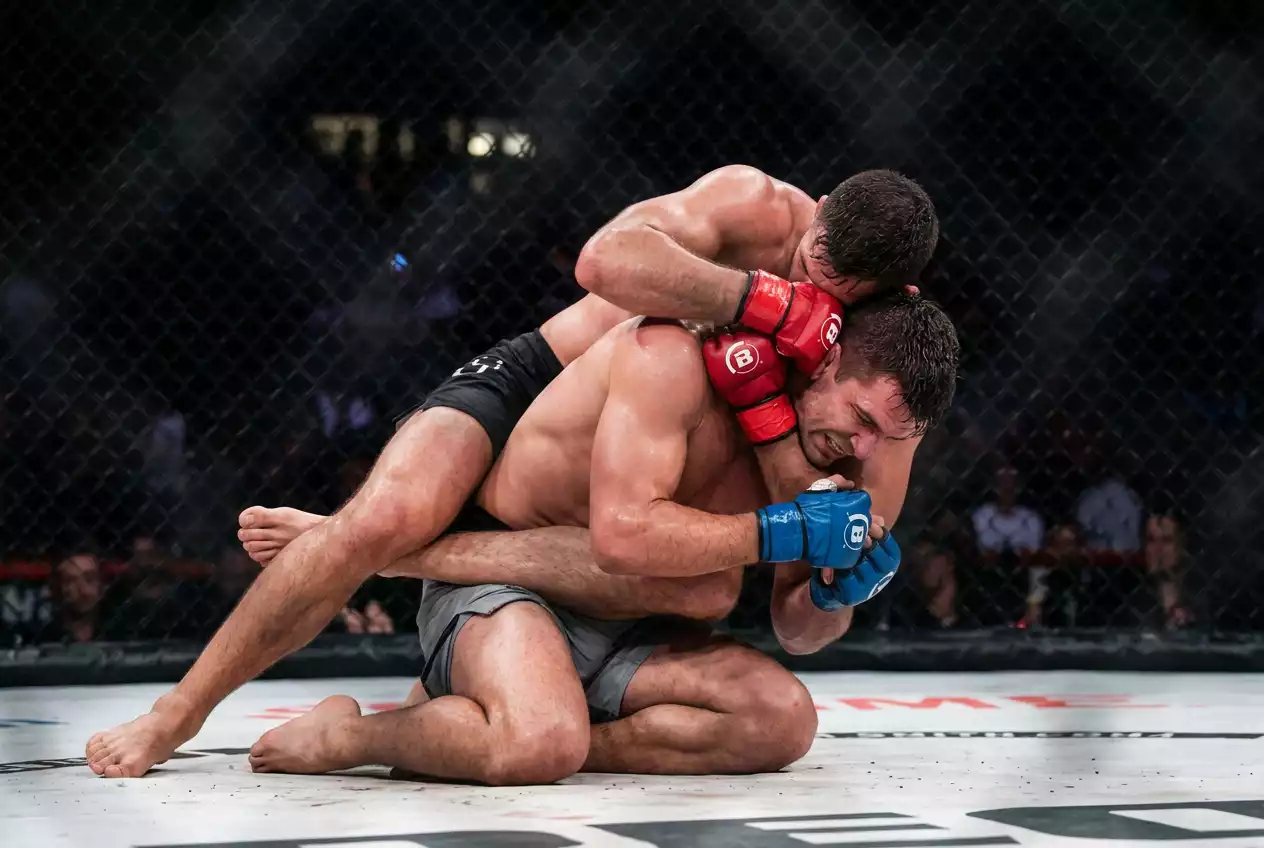
Submission means one fighter forces a tap from their opponent through a choke, joint lock, or other grappling technique. A verbal submission counts. A technical submission – where the referee stops the fight because a fighter is caught in a hold but refuses to tap and is at risk of injury – also falls under this category on most platforms.
Decision encompasses all fights that go the full scheduled distance and are scored by the judges. This includes unanimous decisions (all three judges agree), split decisions (two judges favour one fighter, one favours the other), and majority decisions (two judges agree, one scores it a draw). Some operators offer a further split between “decision – unanimous” and “decision – split/majority,” which adds another layer of granularity.
Draw and no contest are occasionally listed as separate method options, though they’re rare enough that most bettors ignore them. Technical draws – caused by accidental fouls after a certain point in the fight – do happen, and they’ll void most method of victory bets unless your platform specifically offers that market.
KO/TKO Versus Submission: Reading the Matchup
Here’s where fighter analysis directly translates into betting decisions. When I’m evaluating a method of victory bet, I start with two questions: what does each fighter do best, and what does the matchup allow them to do?
A fight between two aggressive strikers with high knockout rates naturally skews toward the KO/TKO method. But the interesting bets come when the matchup creates a less obvious dynamic. A striker facing a high-level grappler might actually produce a knockout – because the striker is forced to throw with more urgency to avoid being taken down, and urgency in MMA often leads to either spectacular finishes or spectacular mistakes.
Submission odds tend to offer better value when one fighter has a clear grappling advantage but isn’t widely known for it. The global MMA industry has grown from roughly 100 major events annually in 2020 to approximately 180-200 projected for 2025, per PTF Lab research. That expansion means more fighters with diverse skill sets entering the ecosystem, and the betting public hasn’t always caught up to who the dangerous grapplers are outside the UFC’s top fifteen.
The key metric I track is finishing rate by method. A fighter who has eight wins by submission out of twelve career victories is a different proposition than one who has two submissions alongside ten decisions. The former’s grappling is a weapon. The latter’s is a fallback. That distinction shapes where I put my money in the method market.
Decision Bets: Where the Overlooked Value Hides
Decision bets are underrated. Full stop. The casual betting public gravitates toward finishes – knockouts and submissions are exciting, they make highlight reels, and they feel like the “real” way MMA fights should end. That bias creates consistent mispricing in the decision market, and I’ve exploited it more times than I can count.
Consider the dynamics. As fighters become more technically sophisticated, finish rates in many divisions have actually declined over the past decade. Better defensive wrestling, improved takedown defence, and more disciplined striking mean that fights between ranked opponents increasingly go to the judges. Yet the betting public still overweights the finish probability, pushing decision odds longer than they should be.
Women’s MMA divisions, in particular, tend to produce decision results at higher rates than their male counterparts – especially in strawweight and flyweight. If you’re betting a women’s bout between two well-rounded fighters with limited knockout power, the decision method often offers the best risk-adjusted return on the board. I don’t find decisions boring. I find them profitable.
How Fight Length Changes the Method of Victory Maths
This is something beginners consistently overlook: not all MMA fights are the same length. Main events and title fights are scheduled for five rounds of five minutes each. Every other bout on a standard card is three rounds. That two-round difference fundamentally alters the method of victory calculus.
Five-round fights give grapplers more time to impose their game, tire out their opponents, and find submission openings that wouldn’t materialise in fifteen minutes. They also give judges more rounds to score, which means decisions are more common in championship bouts than you might expect – the longer a fight goes, the harder it becomes to finish an elite opponent.
Three-round fights, conversely, compress the action. Fighters come out with more urgency because there’s less time to recover from a slow start. The KO/TKO rate in three-round bouts is proportionally higher in early rounds because both fighters know they can’t afford to coast. As GlobalData sport analyst Olivia Snooks noted regarding UFC’s commercial strategy, the organisation targets its younger audience demographic with online sports betting – and those younger fans tend to bet on finishes in the short, explosive bouts that dominate the undercard.
My rule of thumb: in five-round fights between high-level opponents, I give the decision method more weight than the public odds suggest. In three-round fights between aggressive finishers, I lean toward KO/TKO but compare the odds carefully against the moneyline to ensure the method bet actually pays enough to justify the added specificity.
How does the method of victory market work when a fight ends by doctor stoppage?
Most UKGC-licensed operators settle a doctor stoppage as a KO/TKO result for method of victory purposes. The logic is that a doctor stoppage occurs because a fighter has sustained damage – typically a cut or swelling – that prevents them from safely continuing. However, a small number of operators classify doctor stoppages as a separate category or void the method market entirely. Check your platform’s specific settlement rules before placing this type of bet.
Do method of victory odds shift more than moneyline odds as fight night approaches?
They can, and often they do. Method of victory markets are thinner than the moneyline, meaning they are more sensitive to new information. A training camp video showing a fighter working heavily on ground-and-pound, or late news about a hand injury, can move submission or decision odds noticeably while the moneyline barely shifts. Monitoring method odds in the 48 hours before a fight is one of the most underused habits among casual MMA bettors.
Published by the Betting on mma Fights team.