Prelim Odds and UFC Fight Night Betting
 Available in US
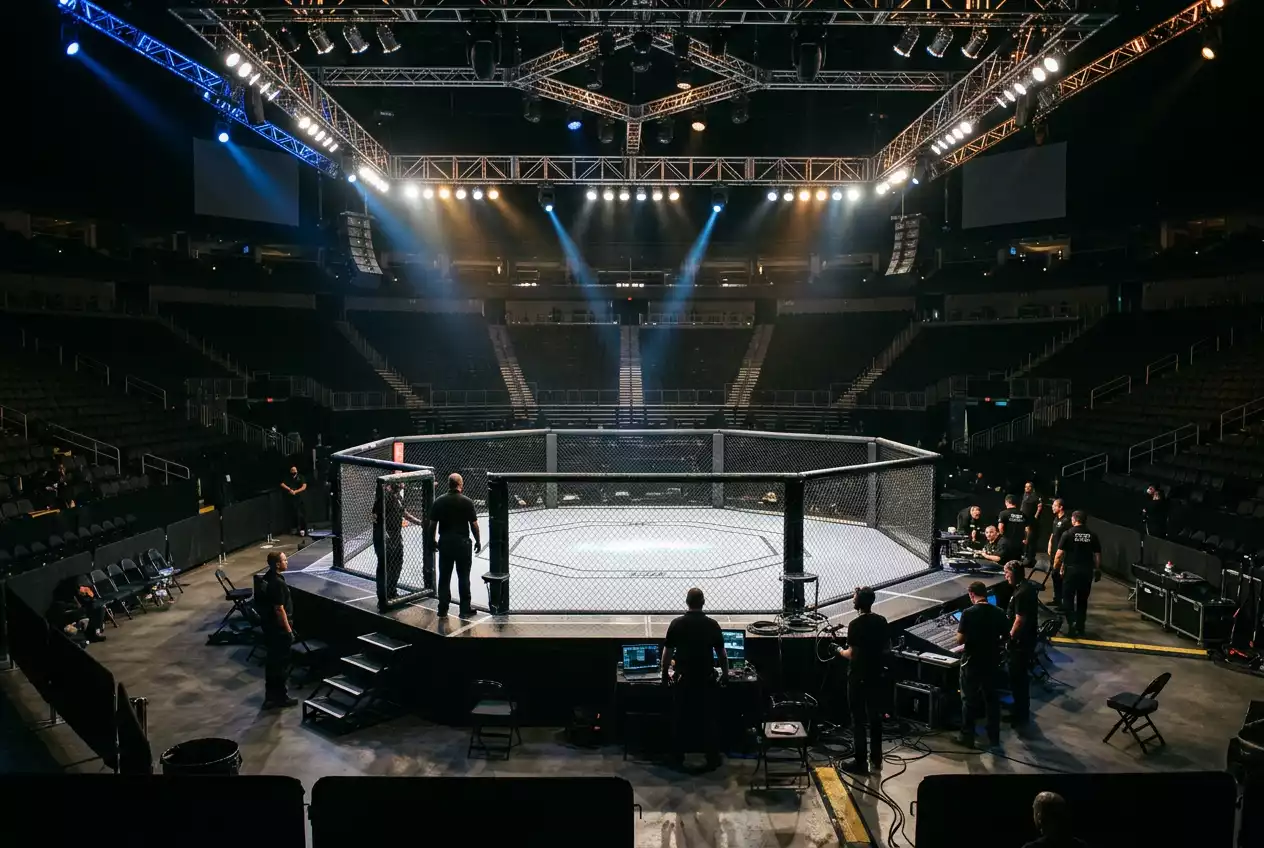
The first Fight Night I ever bet on was a card headlined by two fighters I’d never heard of in a city I couldn’t place on a map. I bet the main event on name alone – one fighter sounded more familiar – and lost. The second time, I spent three hours researching a six-fight card, identified two genuine edges, and came away with a profit that covered my losses from the previous month. Fight Nights are the workhorse of UFC betting, running nearly every week, and they reward preparation more consistently than the big PPV cards that grab all the attention.
Betting Volume Differences: Fight Night vs. PPV
PPV events are spectacles. They draw the biggest names, the largest audiences, and the deepest betting pools. UFC generated $1.502 billion in annual revenue in 2025, per SponsorUnited and TKO Group data, and PPV events anchor that revenue stream. But from a betting perspective, the sheer volume of public money flowing into PPV lines makes them harder to beat. The odds are sharper because more information and more opinions are already priced in.
Fight Nights operate on a different economy. The audience is smaller, the betting volume is lower, and the fighters on the card are often less well-known outside dedicated MMA circles. That reduced attention creates a pricing environment where bookmakers rely more heavily on algorithmic models and less on the wisdom-of-the-crowd effect that sharpens PPV odds. The result: more frequent mispricings, particularly on undercard fights.
The practical implication is that your research carries more weight on a Fight Night card. On a PPV main event, thousands of sharp bettors and multiple media outlets have already dissected the matchup. On a Fight Night prelim between two unranked lightweights, your three hours of film study might represent more analysis than the bookmaker invested in setting the line. That’s where the edge lives.
Finding Value on Preliminary Cards
Prelim fighters are the value seam of MMA betting. These are athletes who are either on the way up (talented prospects building their records), on the way down (veterans with declining physical tools but deep experience), or journeymen who fill cards but rarely headline. Each category presents different betting angles, and lumping them together is a mistake I see constantly.
Rising prospects tend to be overhyped by the betting public. A fighter with a 6-0 record who just signed with the UFC gets immediate favourite status, often at shorter odds than their skill level warrants. The UFC is a different level, and the jump from regional promotions to the big show humbles more fighters than it elevates. Fading the hyped prospect in their UFC debut – particularly if their opponent is a scrappy veteran with 15+ fights of experience at this level – is one of the most reliable underdog angles in Fight Night betting.
Veteran fighters at the tail end of their careers offer a different kind of value. The public writes them off based on recent losses, but veterans often still possess the fight IQ and defensive awareness to survive against younger, more athletic opponents. When a veteran is priced as a significant underdog against a fighter of comparable skill, the odds frequently underestimate the experience factor.
Short-Notice Replacements and Line Adjustments
Fight cancellations and replacements are a fact of life on the UFC schedule. The global MMA industry now stages approximately 180-200 major events per year, per PTF Lab estimates, and the volume of individual bouts means injuries, illness, and weight cut failures are a weekly occurrence. When a fighter drops out and a replacement steps in on short notice, the betting market undergoes a rapid repricing that creates opportunity.
The market’s first instinct is to make the replacement a heavy underdog. Short notice equals disadvantage is the default assumption, and it’s often correct – a fighter who’s had two weeks to prepare is generally worse off than one who’s had a full eight-week camp. But the magnitude of the adjustment frequently overshoots. A replacement fighter who was already in training for a different bout might be physically ready; the tactical preparation is incomplete, but the fitness base is solid.
I pay close attention to the reason for the replacement. If the original fighter pulled out due to injury, the remaining fighter has already completed a full camp and carries a significant readiness advantage. If the original fighter was pulled for a failed drug test or a weight miss, the dynamics are more complex – the replacement might be stepping in against a fighter whose own preparation was disrupted by the chaos of fight week.
The sweet spot for replacement betting: back the replacement when they’re an experienced fighter stepping up on short notice against a prospect. The prospect loses the stylistic preparation that was central to their game plan, while the veteran replacement operates on instinct and general preparedness. Those replacements win at rates that consistently exceed their odds.
A Weekly Research Routine for UFC Cards
Consistency beats intensity in Fight Night betting. I follow the same weekly routine for every card, regardless of how high-profile the matchups are. It takes about four hours spread across the week, and it keeps me from either under-researching or over-researching any single event.
Monday: the card is typically finalised (or close to it). I scan the full lineup and identify three to five fights that interest me based on initial impressions – stylistic clashes, fighters I’ve followed, or matchups where the odds feel immediately off. I don’t bet yet. I just flag.
Wednesday to Thursday: I dig into the flagged fights. Two recent bouts per fighter, minimum. I’m watching for specific patterns – does this striker load up on the rear hand or throw volume? Does this wrestler set up takedowns with strikes or shoot from distance? I check the statistical profiles and compare them against the current odds. By Thursday evening, I’ve narrowed my list from three to five fights down to one or two where I have a genuine view.
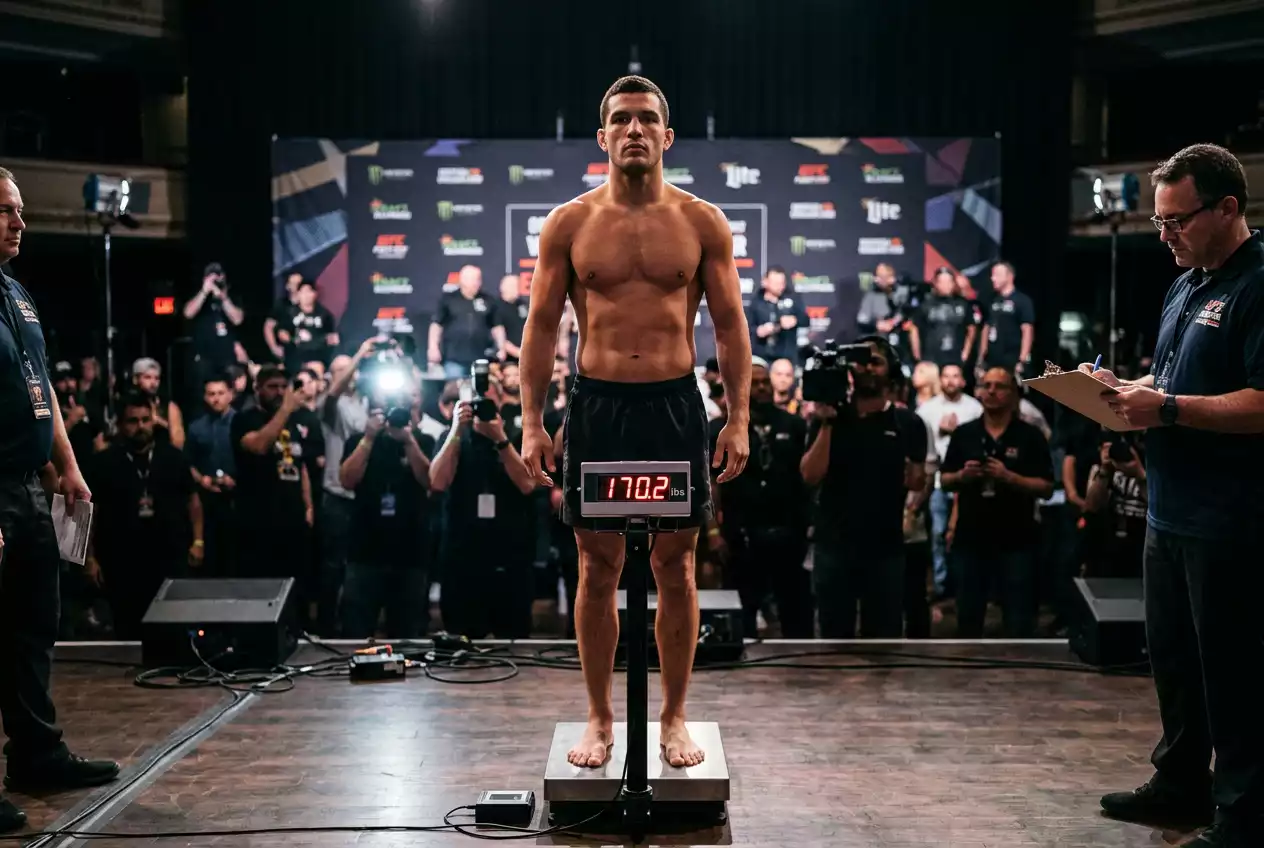
Friday: weigh-ins. I watch the ceremonial weigh-in for physical cues – a fighter who looks drained, drawn, or significantly smaller than their opponent might be struggling with the cut. I also check for late odds movements that might indicate sharp money or insider information shifting the line. If the odds have moved significantly against my position, I reassess. If they’ve moved in my favour, I consider whether to wait for further movement or lock in the current price.
Saturday: I place my bets before the first prelim, not during the event. Pre-fight bets remove the emotional contamination of watching other fights on the card. Then I watch, track, and learn – but I don’t chase or add bets mid-event. The research was done during the week. Fight night is for observation, not improvisation.
Are UFC Fight Night odds softer than PPV odds for bettors?
Generally, yes. Fight Night events attract less public betting volume and less media scrutiny, which means the odds are set with less market input and are more likely to contain mispricings. This is particularly true for prelim fights and bouts between unranked fighters. PPV odds, by contrast, benefit from deeper liquidity and more comprehensive analysis from both the public and sharp bettors, making them harder to exploit.
How far in advance should I start researching a UFC card?
A practical timeline is four to five days before the event. Most UFC cards are finalised early in the week, giving you time to review the matchups, study recent fights, analyse statistics, and monitor odds movements before fight night. Starting earlier risks wasted effort if fights are rescheduled or cancelled. Starting later leaves insufficient time for thorough analysis, especially on cards with multiple interesting matchups.
Created by the ”Betting on mma Fights” editorial team.