UKGC Action and IBIA MMA Betting Alerts
 Available in US
Most bettors have never heard of IBIA. That’s by design – the International Betting Integrity Association operates in the background, monitoring billions in wagering activity across dozens of sports and flagging the patterns that suggest something has gone wrong. I first encountered their work when investigating a suspicious line movement on a mid-tier MMA card in 2021. The odds had shifted dramatically in the final hour, all the money coming from one direction, and the result aligned perfectly with the movement. IBIA had already flagged it. Understanding what IBIA does and how their alert system works gives you a clearer picture of the market’s integrity infrastructure – the invisible framework that makes your MMA bets worth placing in the first place.
IBIA Alert Mechanics and Cross-Sector Monitoring
IBIA is an operator-led integrity body whose members include many of the world’s largest regulated betting companies. The organisation recorded 300 suspicious betting alerts in 2025 – a 29% increase from 232 in 2024, marking the highest annual total since IBIA began tracking. That number covers all sports, with football and tennis accounting for the majority.
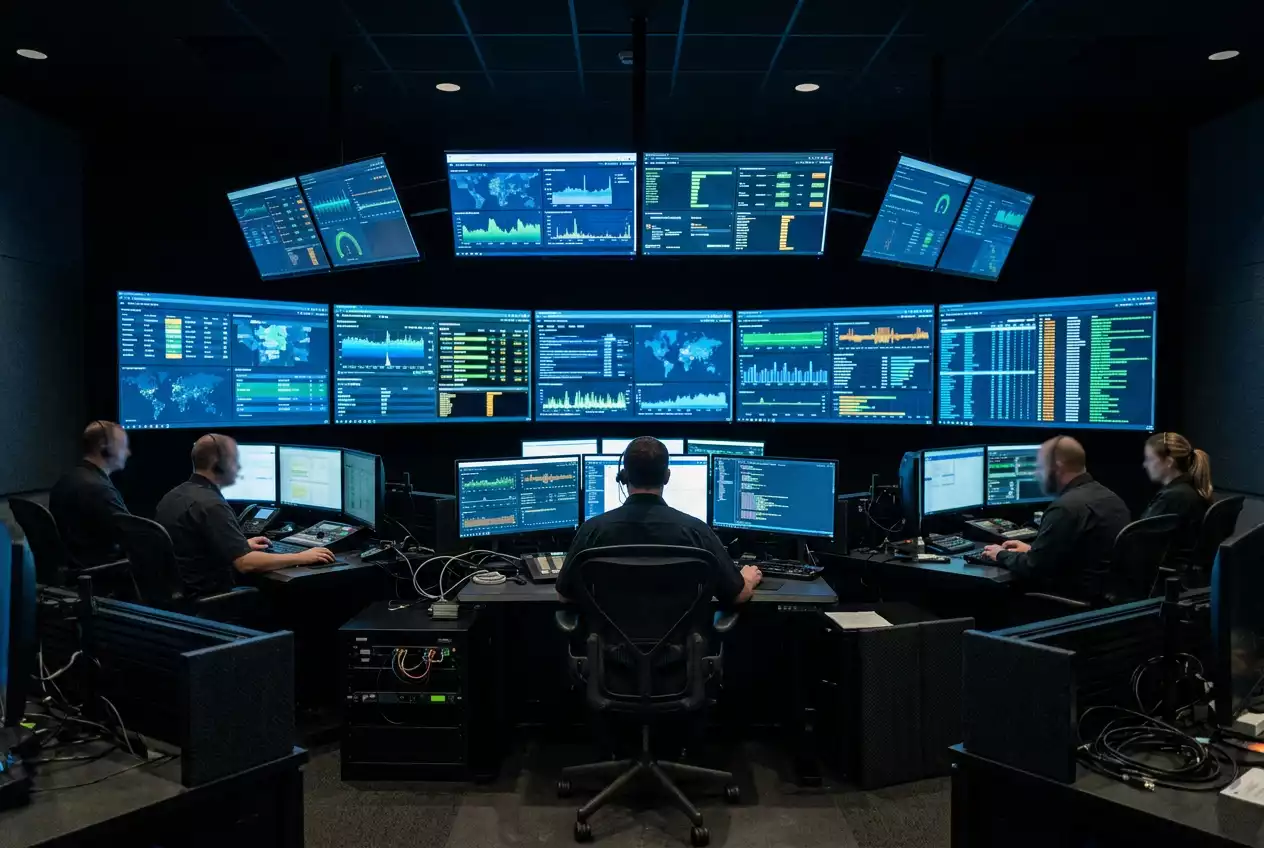
The alert system works through IBIA’s Global Monitoring and Alert Platform, which ingests betting data from member operators worldwide. Each operator feeds their betting activity – volumes, account profiles, timing, odds movements – into the platform in near real-time. The system compares this activity against established baselines for each event: expected volume, expected price ranges, expected account demographics. When activity deviates significantly from those baselines, the platform generates an alert.
Fifty-four matches across five sports were confirmed as corrupted using IBIA data in 2025, and sanctions were imposed on 24 individuals including players, team staff, and officials. The confirmation process involves investigation by the relevant sports governing body and, in some cases, criminal prosecution by law enforcement. IBIA’s role is detection and referral, not enforcement – they identify the anomaly and pass it to the organisations empowered to act.
MMA-Specific Alert Data: Volume, Trends, and Geography
MMA’s share of IBIA’s alert volume is small compared to football and tennis, but it’s not zero – and the trend is worth watching. In Q1 2026, IBIA registered 70 suspicious alerts across all sports, an 11% increase over Q1 2025. That total included one MMA-specific alert originating from North America.
IBIA CEO Khalid Ali contextualised the 2025 data by noting that football and tennis continue to account for most suspicious betting activity, but the increased scale and reach of the Global Monitoring Platform means the organisation’s ability to detect and assess alerts across markets and sports has improved. The implication for MMA is that the monitoring net is widening even as the sport’s share of alerts remains relatively low.
The geographic distribution of MMA integrity alerts skews toward North America, which reflects the concentration of major MMA events (particularly UFC cards) in the US. European alerts are rarer, partly because European MMA events generate less betting volume and partly because UKGC-licensed operators – who constitute a significant portion of IBIA’s membership – have robust internal monitoring that catches irregularities before they escalate to the IBIA level.
One structural factor working in MMA’s favour: the sport is relatively young as a regulated betting product, which means the integrity monitoring infrastructure was built alongside the market rather than retrofitted after problems emerged. Football’s integrity challenges developed over decades before systematic monitoring caught up. MMA’s monitoring systems were in place before the betting volumes reached levels that would attract sophisticated corruption.
Cross-Sector Cooperation: Operators, Regulators, and Sports Bodies
IBIA’s effectiveness depends on cooperation between three groups that don’t always see eye to eye: betting operators (who want clean markets for commercial reasons), regulators (who want clean markets for consumer protection reasons), and sports governing bodies (who want clean competitions for legitimacy reasons). The alignment of these interests is the foundation of the integrity ecosystem.
US Congressman Paul Tonko framed the stakes in direct terms during 2026 Congressional discussions on sports betting integrity, arguing that stakeholders must either engage with establishing mandatory federal guardrails or accept responsibility when the next scandal breaks. That political pressure adds a regulatory dimension to the integrity conversation – it’s not just industry self-regulation anymore. Governments are watching, and the consequences of failure extend beyond the sports themselves.
For MMA specifically, cross-sector cooperation takes concrete form through UFC’s partnership with IC360 for internal monitoring, the Sportradar/SWA data feeds that power both commercial odds and integrity surveillance, and IBIA’s external alert system that provides an additional layer of independent oversight. These systems are not redundant – they cover different angles. IC360 monitors from inside the sport. IBIA monitors from the betting side. Sportradar provides the data infrastructure that both rely on.
The IBIA report put it plainly: data-led monitoring and cross-sector collaboration are not optional – they are essential to safeguarding sport and maintaining consumer trust. That statement is not aspirational. It’s a description of how the system currently works, and why it works better than a decade ago.
The UKGC’s Role in the Integrity Ecosystem
The UK Gambling Commission sits at the regulatory apex of this system for British bettors. Between 2025 and 2026, the UKGC issued 741 cease-and-desist notices and flagged nearly 398,000 illegal URLs to search engines, per iGaming Business reporting on UKGC executive Tim Miller’s public statements. That enforcement activity demonstrates the regulator’s willingness to act – not just against match-fixers, but against the unlicensed operators who operate outside the integrity monitoring framework entirely.
For UK MMA bettors, the UKGC’s role has a direct practical implication: betting with a UKGC-licensed operator means your bets are placed within a monitored ecosystem. The operator participates in IBIA or equivalent monitoring programmes, reports suspicious activity, and cooperates with investigations. An unlicensed offshore operator does none of these things, which means a fixed fight on their platform is a fixed fight with no detection, no investigation, and no protection for you.
The integrity infrastructure is not perfect, and it never will be. Combat sports face unique challenges – individual competitors, concentrated financial incentives, and a global talent pool that includes fighters from jurisdictions with weak regulatory frameworks. But the direction of travel is toward more monitoring, more data, and more cooperation. As a bettor, your job is straightforward: bet through channels where that infrastructure exists, stay informed about how it works, and trust the process while remaining appropriately sceptical about any result that doesn’t pass the smell test.
How many suspicious MMA betting alerts did IBIA record in the last year?
IBIA recorded one MMA-specific suspicious alert in Q1 2026, originating from North America. For the full year 2025, MMA contributed a small share of the 300 total alerts across all sports. Football and tennis dominate the alert volume. The relatively low MMA figure reflects both the sport’s smaller betting volume compared to football and the fact that MMA’s integrity monitoring systems were built alongside the market rather than added after problems emerged.
What happens after IBIA flags a suspicious MMA betting pattern?
When IBIA’s Global Monitoring and Alert Platform detects anomalous betting activity, the alert is assessed by IBIA analysts to determine credibility. Credible alerts are shared with the relevant sports governing body (UFC, PFL, or the applicable promotion) and with regulatory authorities in the affected jurisdiction. The sports body and regulator then conduct their own investigations, which can lead to fighter suspensions, organisational sanctions, licence reviews for operators, or criminal referrals. IBIA’s role is detection and referral – not enforcement.
Prepared by the Betting on mma Fights editorial staff.