Name Bias and MMA Betting Mistakes
 Available in US
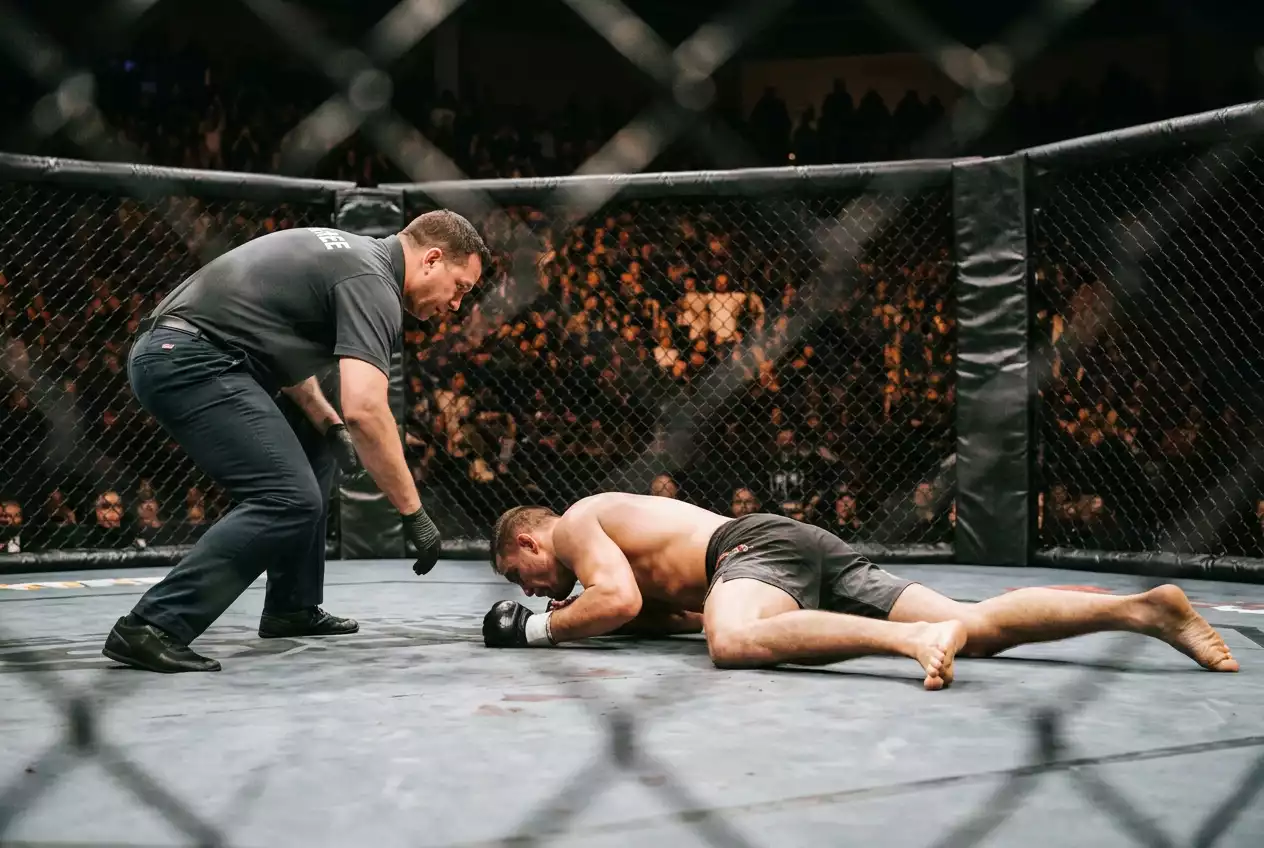
Every mistake on this list is one I’ve made personally. Some of them I made repeatedly before the pattern clicked. The difference between a losing MMA bettor and a profitable one is usually not analytical skill – it’s the ability to identify and eliminate the behavioural errors that eat into your edge. These are the mistakes I see most frequently, and the specific ways I’ve learned to avoid each one after nine years of betting combat sports.
Overvaluing Name Recognition Over Current Fighter Form
The most expensive mistake in MMA betting is treating a fighter’s reputation as a proxy for their current ability. A former champion who hasn’t won in three fights is still a former champion in the public’s mind – and the public’s money still flows toward them, compressing their odds beyond what their recent form warrants.
MMA careers have a shelf life that’s shorter than most team sports. A fighter at 36 is not the same athlete they were at 30, even if their name still draws crowds. The global MMA industry has expanded from roughly 100 major events annually in 2020 to nearly 200 projected for 2025, per PTF Lab research, and that expansion means more young, hungry fighters are entering the ecosystem – fighters who don’t yet have the name recognition to attract public money but who are physically and technically at their peak.
My filter: I ignore the fighter’s name for the first pass of analysis. I look at their last three fights, their striking differential, their takedown metrics, and their age-adjusted performance trajectory. Only after that statistical assessment do I factor in reputation – and only to check whether the market is overvaluing or undervaluing the name relative to the current data. When the data says “declining fighter” and the odds say “former champion,” there’s usually value on the other side.
Stacking Heavy Favourites Into Parlays
I covered this in depth elsewhere, but it’s on this list because I still see it every single fight week. Three fighters at -300 combined into an accumulator that looks like a safe 2/1 return. The maths is unforgiving: 0.75 x 0.75 x 0.75 = 42% probability. You’re laying 2/1 on a bet that loses more often than it wins.
The MMA and boxing betting market, valued at $1.5 to $3.2 billion in 2024 per Verified Market Reports, generates a meaningful share of its bookmaker revenue from these exact parlays. Bookmakers love them because the compounding margins turn a thin edge on each leg into a substantial advantage across the accumulator. The casual bettor sees “three safe picks.” The bookmaker sees “profitable product.”
The fix: if you want to bet accumulators, build them from selections where you have genuine analytical conviction – not from favourites that feel safe. And cap yourself at three legs maximum. Every leg beyond three is a gift to the bookmaker.
Ignoring Camp, Injury, and Motivation Context
Statistics tell you what a fighter can do. Context tells you what they will do in this specific fight. A fighter who’s changed training camps, dealt with a nagging injury throughout preparation, or is publicly feuding with their coach enters the cage in a different mental and physical state than their statistical profile suggests.
MMA is uniquely sensitive to these contextual factors because it’s an individual sport with no safety net. In football, a striker having a bad day is compensated for by the rest of the squad. In MMA, a fighter whose preparation was disrupted faces the full consequences alone, for fifteen to twenty-five minutes, against someone trying to knock them unconscious or choke them into submission.
I dedicate a specific portion of my fight-week research to contextual factors: training camp reports (which gyms, which coaches, any changes from the previous camp), injury history (any announced or rumoured issues), and motivational signals (contract status, personal life disruptions, public statements about retirement or weight class changes). This information circulates through MMA media and fighter social media – it’s publicly available, but most bettors don’t systematically collect it.
The most common form of this mistake is trusting a fighter’s statistical profile from their last three fights while ignoring that they’ve switched gyms, changed weight classes, or come back from a knee reconstruction. I once backed a fighter at 2/5 who’d looked dominant in his previous two bouts – and only discovered after the loss that he’d separated from his long-time coaching team two months before the fight. That information was publicly available. I just hadn’t looked for it.
Chasing Losses Across a Fight Card
The UK online gambling market averaged 13.5 million active accounts per month in Q4 2024/2025, per the Gambling Commission. A portion of those accounts belong to bettors who’ve lost money on a prelim fight and are now placing larger bets on the main card to recover – the classic chase pattern that MMA’s compressed event structure makes particularly dangerous.
Here’s why chasing on a fight card is worse than chasing across a week of football matches: the fights come fast, the emotional intensity escalates as the card progresses, and the late-night timing (UK UFC events typically end after 5 AM) means your cognitive function is degrading precisely when the main event – and the biggest temptation to chase – arrives.
My rule is absolute: once I’ve placed my pre-fight bets, I do not add any in-play or reactionary bets during the event. If I lose my prelim selections, I watch the main card as a fan, not as a bettor. The research was done during the week. The bets were placed before the first walkout. Everything after that is observation. This discipline took me years to develop, and it’s the single change that had the largest positive impact on my long-term bankroll trajectory.
The fighters don’t know or care about your previous bets. The odds don’t adjust to help you recover. The only thing that changes when you chase is the size of the hole you’re digging.
What are the most common mistakes in MMA betting?
The four most common mistakes are: betting based on name recognition rather than current form, parlaying heavy favourites into accumulators that carry far more risk than they appear to, ignoring contextual factors like training camp changes and injuries, and chasing losses within a single fight card. Each mistake has a specific behavioural root – cognitive bias, flawed maths, incomplete research, or emotional decision-making – and each can be addressed with a systematic approach to pre-fight analysis and disciplined staking rules.
How do you stop chasing losses during a live UFC event?
The most effective method is removing the option entirely: place all bets before the event starts and do not open the betting app during the card. If that feels too restrictive, set a hard loss limit before the event begins – once you hit it, stop. Physical separation also helps: close the betting app and watch the remaining fights on a different screen. The key insight is that willpower fails under emotional pressure, so the solution is structural (rules set in advance) rather than motivational (trying harder in the moment).
Created by the ”Betting on mma Fights” editorial team.