Proposition Markets and UFC Prop Bets
 Available in US
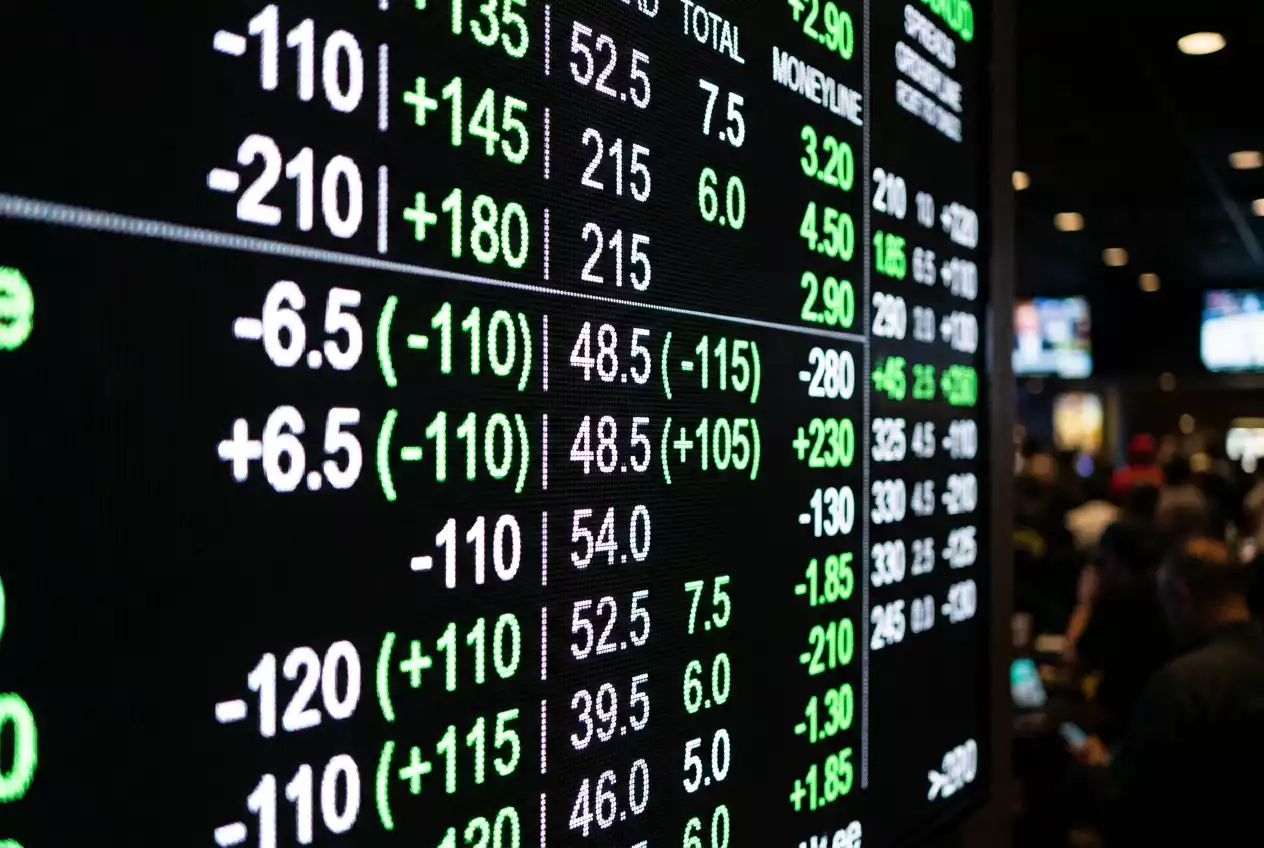
Prop bets are where I spend most of my time on a UFC card these days. Not because they’re easier – they’re often harder to get right than a straight moneyline pick. But because prop markets are where the bookmaker’s pricing model is thinnest, where the casual public barely looks, and where nine years of studying fighter tendencies actually translates into a measurable edge. If the moneyline is a motorway, prop bets are the back roads. Less traffic, more interesting scenery, and occasionally a shortcut nobody else knows about.
Identifying Profitable UFC Proposition Bets
A proposition bet is any wager on a specific event within a fight that doesn’t directly ask “who wins?” The category is broad, covering everything from statistical outcomes (total significant strikes, takedown attempts) to fight-level events (will the fight end by finish, will either fighter be knocked down) to novelty markets on major cards (fight of the night bonus, performance of the night).
UK bookmakers typically divide UFC props into two tiers. Major events (PPVs and high-profile Fight Nights) receive the full prop treatment – dozens of markets per fight, including round-specific outcomes, strike totals, and even cornered decisions. Lower-profile cards get a lighter selection, sometimes limited to method of victory and round totals alongside the moneyline. This inconsistency is itself a piece of information: when a bookmaker offers fewer prop markets, it often means their pricing model has less confidence in the granular outcomes, which creates opportunities.
Fighter-Specific Props: Knockdowns, Takedowns, Strikes
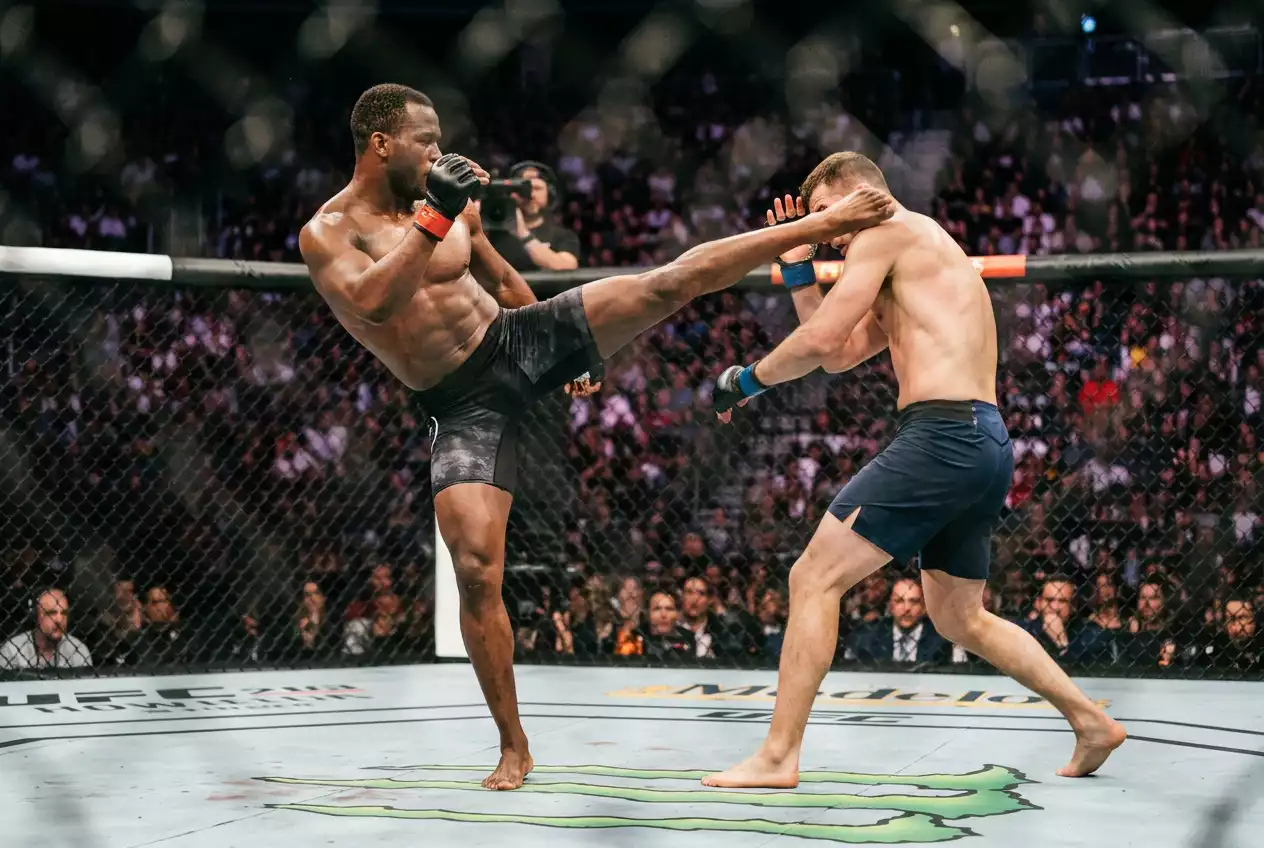
The fighter-specific prop markets I pay closest attention to are significant strikes over/under and takedown attempt totals. These are measurable, repeatable actions that directly reflect a fighter’s style – and style is far more consistent than outcomes in MMA.
UFC tracks over 300 million global fans across 210 countries and territories, according to Paramount partnership data, and the statistical infrastructure supporting that audience generates detailed fight-by-fight data. Significant strikes per minute, striking accuracy percentage, takedown accuracy, submission attempts per fight – all of this data is publicly available and directly applicable to prop betting.
When I evaluate a significant strikes over/under line, I look at both fighters’ output rates and compare them against the line. If Fighter A averages 5.2 significant strikes per minute and Fighter B averages 4.8, a fifteen-minute fight (three rounds) projects roughly 75 combined significant strikes before accounting for style interaction. If the bookmaker’s line is set at 85.5, the over requires both fighters to exceed their averages – which might be reasonable in a firefight but unlikely in a grappling-heavy matchup.
Takedown props are even more exploitable because the public underestimates how variable takedown rates are between matchups. A wrestler who averages four takedown attempts per fight might throw eight against a poor defender or barely attempt one against a credentialed counter-wrestler. Context is everything.
Fight-Level Props: Distance, Finish, and Bonus Awards
Fight-level props abstract away from individual fighter performance and focus on the bout itself. The most common is “will the fight go the distance” – a yes/no market that overlaps with round totals and method of victory but offers a clean binary proposition.
Fight of the night and performance of the night bonus props appear on PPV cards and occasionally on stacked Fight Nights. These are speculative by nature – the bonuses are awarded at Dana White’s discretion – but they’re not random. Fights between two action-oriented strikers in the main event or co-main event are overrepresented among fight of the night winners. Performance bonuses skew toward spectacular finishes in the earlier portions of the card. If you track the historical distribution, patterns emerge.
The prop I avoid is “will either fighter be knocked down.” It sounds simple but it’s a nightmare to assess because the definition of a knockdown varies – some are flash knockdowns from off-balance strikes, others are genuine hurt sequences. The inconsistency in how knockdowns are scored live creates settlement disputes that are not worth the headache.
One more fight-level prop worth mentioning: “will the fight end in the first round.” This is a hybrid between a round bet and a finish prop, and it’s priced more aggressively than the separate markets because it captures only the most explosive outcomes. I use it selectively in heavyweight bouts where both fighters have first-round finish rates above 40% – a rarer combination than you might expect, but one that pays well when the conditions align.
Where the Pricing Edge Appears in Prop Markets
UFC GGR has grown at a compound annual growth rate exceeding 18% over the past five years, per Fight Matrix analysis. That growth has attracted new operators to the MMA betting space – and newer operators building out their prop markets from scratch tend to rely more heavily on algorithmic pricing than on specialist MMA knowledge. This is where edges appear.
Algorithmic prop pricing uses historical averages as the baseline: a fighter’s career significant strike rate, their takedown attempt frequency, their average fight time. What the algorithms struggle with is contextual adjustment – how a fighter’s output changes against specific styles, at specific weight classes, or under specific circumstances like a change in training camp. A fighter who dropped from welterweight to lightweight might see his striking output increase dramatically because he’s faster at the new weight, but the algorithm still prices his props based on career-long averages that include the heavier division.
I find the most consistent value in prop markets during fight weeks where there’s a clear stylistic mismatch that the line doesn’t fully reflect. A grappler against a striker? The takedown attempt over is often underpriced because the algorithm weights the grappler’s season average rather than accounting for how much more aggressively he’ll shoot against an opponent who can’t defend it. These are the back roads I mentioned – not glamorous, but the traffic is light and the payouts are real.
Building this kind of analytical edge into a repeatable framework takes time, but prop markets reward the investment more generously than any other corner of MMA betting.
What are MMA prop bets and when should you use them?
MMA prop bets are wagers on specific events within a fight beyond the simple question of who wins. They include markets like total significant strikes, takedown attempts, method of victory sub-categories, round-specific finishes, and fight bonus awards. Use them when you have a specific analytical view on how a fight will unfold – not just the winner but the dynamics. Prop bets are most valuable when your research reveals a matchup detail that the broader moneyline odds already reflect.
Do UK bookmakers offer the same UFC props as American sportsbooks?
Not always. American sportsbooks, particularly those with official UFC data partnerships, tend to offer a wider and more granular range of prop markets – including fighter-specific strike and takedown lines that some UK operators do not carry. UK platforms typically cover method of victory, round betting, and distance props comprehensively for main card fights, with fighter-specific stat props appearing mainly on PPV events. The gap has been narrowing as UK operators invest more heavily in combat sports coverage.
Published by the Betting on mma Fights team.